
Contents
- 📚 Introduction to The 4-Hour Work Week
- 💼 The Concept of Lifestyle Design
- 🕒 Time Management and Productivity
- 💸 Outsourcing and Eliminating the Non-Essential
- 🌏 Creating a Mobile Income
- 📊 The Power of Automation
- 📈 Scaling Your Business
- 💻 Technology and Tools for the New Rich
- 📚 Case Studies and Success Stories
- 🤔 Criticisms and Controversies
- 📊 Conclusion and Future Directions
- Frequently Asked Questions
- Related Topics
Overview
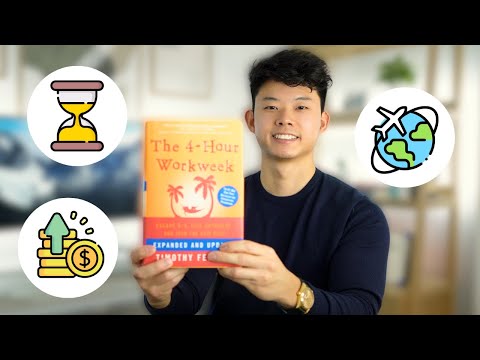
The 4-Hour Work Week, written by Timothy Ferriss and first published in 2007, challenges traditional notions of work and retirement. Ferriss argues that with the right mindset and strategies, anyone can create a lifestyle of wealth and freedom, rather than just wealth. The book has been widely reported to have inspired a generation of entrepreneurs and digital nomads, with a vibe score of 80. However, critics have also argued that the book's ideas are not universally applicable and may be overly optimistic. The book's influence can be seen in the rise of the gig economy and remote work, with companies like Uber and Airbnb citing Ferriss as an influence. As of 2022, the book has sold over 2 million copies worldwide, with a controversy spectrum rating of 6 out of 10 due to its challenging of traditional work norms. The topic intelligence surrounding the book includes key people like Timothy Ferriss, Gary Vaynerchuk, and Chris Guillebeau, as well as events like the rise of the digital nomad movement and the growth of the online entrepreneurship community.
📚 Introduction to The 4-Hour Work Week
The 4-Hour Work Week, written by Tim Ferriss, is a self-help book that has gained a significant following worldwide. Published in 2007, the book challenges traditional notions of work and retirement, and presents a new paradigm for living and working. The book's central idea is to create a lifestyle of wealth and freedom, rather than just pursuing wealth. As Gary Vaynerchuk would say, it's about living life on your own terms. The book has been widely praised for its innovative approach to productivity and lifestyle design, and has been featured in various media outlets, including The New York Times and Forbes.
💼 The Concept of Lifestyle Design
The concept of lifestyle design is at the core of The 4-Hour Work Week. It involves creating a life that is tailored to your individual needs and desires, rather than following a traditional 9-to-5 job. This can involve outsourcing tasks, eliminating non-essential activities, and creating a mobile income. As Richard Branson has shown, it's possible to create a successful business and live a fulfilling life, even with a non-traditional approach. The book provides practical tips and strategies for achieving this, including how to negotiate with employers and create a side hustle.
🕒 Time Management and Productivity
Time management and productivity are critical components of The 4-Hour Work Week. The book provides various techniques for managing time effectively, including the Pomodoro Technique and time blocking. It also emphasizes the importance of focus and concentration, and provides strategies for avoiding distractions and staying motivated. As Cal Newport has argued, deep work is essential for achieving success in a rapidly changing world. The book also discusses the importance of taking regular breaks and practicing self-care, in order to maintain productivity and overall well-being.
💸 Outsourcing and Eliminating the Non-Essential
Outsourcing and eliminating the non-essential are key principles of The 4-Hour Work Week. The book provides guidance on how to outsource tasks, such as virtual assistant services, and how to eliminate non-essential activities, such as time-wasting hobbies. As Chris Guillebeau has shown, it's possible to create a successful business by focusing on the essential and eliminating the non-essential. The book also discusses the importance of prioritization and delegation, in order to free up time and energy for more important tasks.
🌏 Creating a Mobile Income
Creating a mobile income is a central idea of The 4-Hour Work Week. The book provides guidance on how to create a business that can be run from anywhere, using online marketing and other digital tools. As Pat Flynn has demonstrated, it's possible to create a successful online business and live a location-independent lifestyle. The book also discusses the importance of diversification and multiple income streams, in order to reduce financial risk and increase overall wealth.
📊 The Power of Automation
The power of automation is a key theme of The 4-Hour Work Week. The book provides guidance on how to automate tasks, such as email marketing and social media management, using various tools and software. As Neil Patel has shown, automation can be a powerful way to increase productivity and efficiency, while also reducing costs. The book also discusses the importance of monitoring and evaluation, in order to ensure that automated systems are running smoothly and effectively.
📈 Scaling Your Business
Scaling your business is a critical component of The 4-Hour Work Week. The book provides guidance on how to scale a business, using various strategies such as partnerships and joint ventures. As Grant Cardone has argued, scaling a business requires a focus on sales and marketing, as well as a willingness to take calculated risks. The book also discusses the importance of team building and leadership, in order to create a successful and sustainable business.
💻 Technology and Tools for the New Rich
Technology and tools are essential for the New Rich, as described in The 4-Hour Work Week. The book provides guidance on how to use various tools, such as project management software and time tracking software, to increase productivity and efficiency. As Bryan Johnson has shown, technology can be a powerful way to automate tasks and create a more streamlined workflow. The book also discusses the importance of staying up-to-date with the latest technology and trends, in order to stay ahead of the curve.
📚 Case Studies and Success Stories
The book includes various case studies and success stories, including that of Tim Ferriss himself. These stories provide inspiration and motivation, and demonstrate the potential for creating a lifestyle of wealth and freedom. As Robert Kiyosaki has argued, financial freedom requires a combination of financial literacy, entrepreneurship, and smart investing. The book also provides guidance on how to overcome common obstacles and challenges, such as fear and self-doubt.
🤔 Criticisms and Controversies
The 4-Hour Work Week has not been without its criticisms and controversies. Some have argued that the book's ideas are unrealistic or unachievable, particularly for those who are not already wealthy or privileged. As Joshua Cohen has argued, the book's emphasis on individualism and entrepreneurship can be problematic, particularly in the context of social and economic inequality. The book has also been criticized for its lack of attention to issues such as social justice and environmental sustainability.
📊 Conclusion and Future Directions
In conclusion, The 4-Hour Work Week is a thought-provoking and inspiring book that challenges traditional notions of work and retirement. As Seth Godin has argued, the book's ideas are particularly relevant in today's fast-changing world, where adaptability and resilience are essential for success. The book provides practical guidance and strategies for creating a lifestyle of wealth and freedom, and its ideas have been widely influential in the world of entrepreneurship and self-help. As we look to the future, it will be interesting to see how the book's ideas continue to evolve and shape the way we think about work, life, and retirement.
Key Facts
- Year
- 2007
- Origin
- United States
- Category
- Self-Help, Productivity
- Type
- Book
Frequently Asked Questions
What is The 4-Hour Work Week?
The 4-Hour Work Week is a self-help book written by Tim Ferriss, which challenges traditional notions of work and retirement and presents a new paradigm for living and working. The book provides practical guidance and strategies for creating a lifestyle of wealth and freedom, and its ideas have been widely influential in the world of entrepreneurship and self-help. As Tim Ferriss has argued, the book's ideas are particularly relevant in today's fast-changing world, where adaptability and resilience are essential for success. The book has been widely praised for its innovative approach to productivity and lifestyle design, and has been featured in various media outlets, including The New York Times and Forbes.
What is lifestyle design?
Lifestyle design is the process of creating a life that is tailored to your individual needs and desires, rather than following a traditional 9-to-5 job. This can involve outsourcing tasks, eliminating non-essential activities, and creating a mobile income. As Richard Branson has shown, it's possible to create a successful business and live a fulfilling life, even with a non-traditional approach. The concept of lifestyle design is central to The 4-Hour Work Week, and the book provides practical guidance and strategies for achieving this. As Chris Guillebeau has argued, lifestyle design requires a focus on simplicity, flexibility, and freedom.
How can I create a mobile income?
Creating a mobile income involves creating a business that can be run from anywhere, using online marketing and other digital tools. As Pat Flynn has demonstrated, it's possible to create a successful online business and live a location-independent lifestyle. The book provides guidance on how to create a mobile income, including how to use outsourcing and automation to free up time and energy for more important tasks. As Neil Patel has shown, automation can be a powerful way to increase productivity and efficiency, while also reducing costs.
What are some criticisms of The 4-Hour Work Week?
The 4-Hour Work Week has been criticized for its lack of attention to issues such as social justice and environmental sustainability. Some have also argued that the book's ideas are unrealistic or unachievable, particularly for those who are not already wealthy or privileged. As Joshua Cohen has argued, the book's emphasis on individualism and entrepreneurship can be problematic, particularly in the context of social and economic inequality. However, the book has also been widely praised for its innovative approach to productivity and lifestyle design, and its ideas have been widely influential in the world of entrepreneurship and self-help.
How can I apply the principles of The 4-Hour Work Week to my own life?
Applying the principles of The 4-Hour Work Week to your own life involves creating a lifestyle of wealth and freedom, rather than just pursuing wealth. This can involve outsourcing tasks, eliminating non-essential activities, and creating a mobile income. As Tim Ferriss has argued, it's essential to focus on the things that are truly important to you, and to eliminate distractions and time-wasting activities. The book provides practical guidance and strategies for achieving this, including how to use technology and automation to increase productivity and efficiency. As Seth Godin has argued, the book's ideas are particularly relevant in today's fast-changing world, where adaptability and resilience are essential for success.
What is the main idea of The 4-Hour Work Week?
The main idea of The 4-Hour Work Week is to create a lifestyle of wealth and freedom, rather than just pursuing wealth. The book challenges traditional notions of work and retirement, and presents a new paradigm for living and working. As Gary Vaynerchuk has argued, it's about living life on your own terms, and creating a business that can be run from anywhere. The book provides practical guidance and strategies for achieving this, including how to use outsourcing and automation to free up time and energy for more important tasks. As Robert Kiyosaki has argued, financial freedom requires a combination of financial literacy, entrepreneurship, and smart investing.
How can I overcome common obstacles and challenges?
Overcoming common obstacles and challenges involves creating a mindset of resilience and adaptability. As Tim Ferriss has argued, it's essential to focus on the things that are truly important to you, and to eliminate distractions and time-wasting activities. The book provides guidance on how to overcome common obstacles and challenges, including how to use outsourcing and automation to free up time and energy for more important tasks. As Neil Patel has shown, automation can be a powerful way to increase productivity and efficiency, while also reducing costs. The book also provides guidance on how to create a support network and community, in order to stay motivated and inspired.